Get Disability Ramp Repair
Disability ramp repair services help property owners fix or replace ramps to improve accessibility and safety for individuals with mobility challenges.
If you’re considering repairs or upgrades to a disability ramp, you’re in the right place to explore your options. Property owners in the area often look into ramp repair services to improve accessibility, ensure safety, and maintain compliance with regulations. Whether addressing wear and tear, changing accessibility needs, or preparing a property for future use, understanding the local options can help you make informed decisions about your project.
Finding the right service provider for disability ramp repair involves comparing local contractors who specialize in accessible modifications. By reviewing the available options, property owners can identify experienced professionals equipped to handle a variety of repair needs. Keep reading to learn more about how local experts can assist in making your property safer and more accessible.
- Wheelchair Ramp Repairs - needed when existing ramps become damaged or unsafe for wheelchair users.
- Threshold Ramp Installation - required to improve accessibility at doorways with high thresholds.
- Commercial Ramp Maintenance - necessary for businesses to ensure compliance and safe access for all visitors.
- Residential Ramp Restoration - needed when home ramps deteriorate or are affected by weather and wear.
- Custom Ramp Modifications - requested when standard ramps do not fit specific accessibility needs or space constraints.
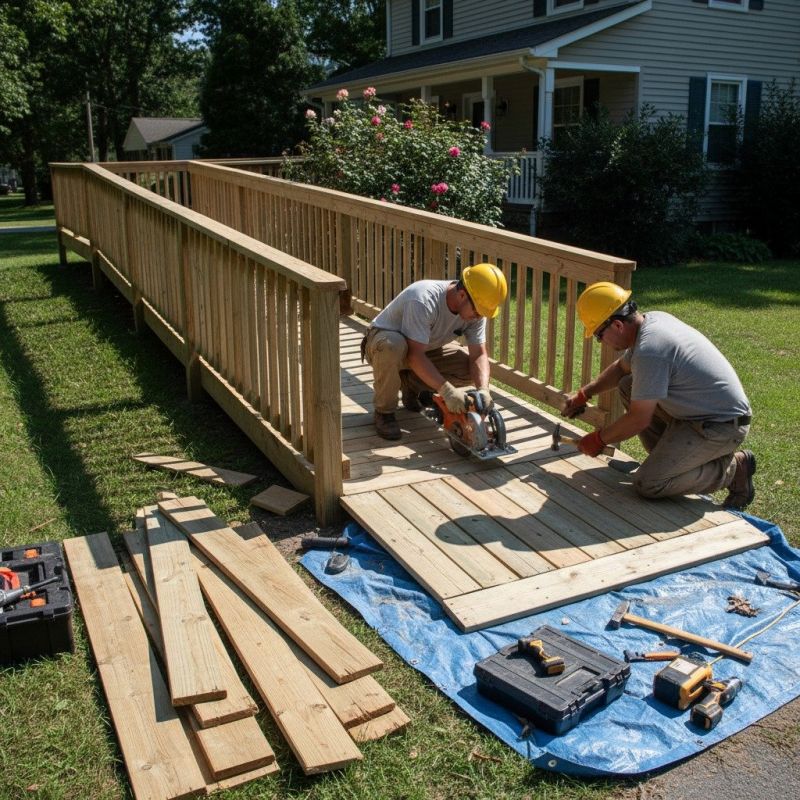
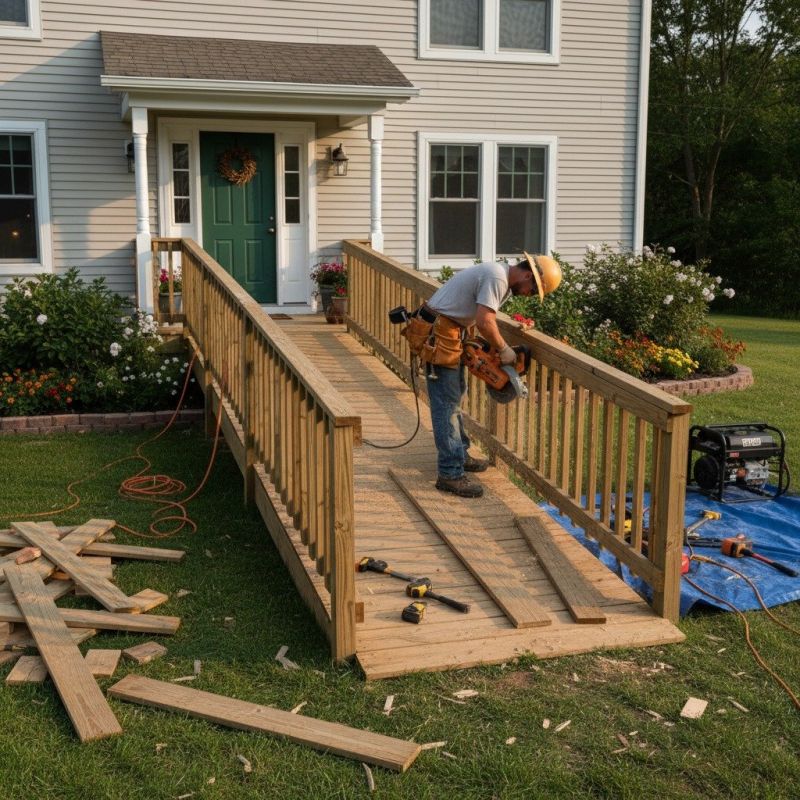
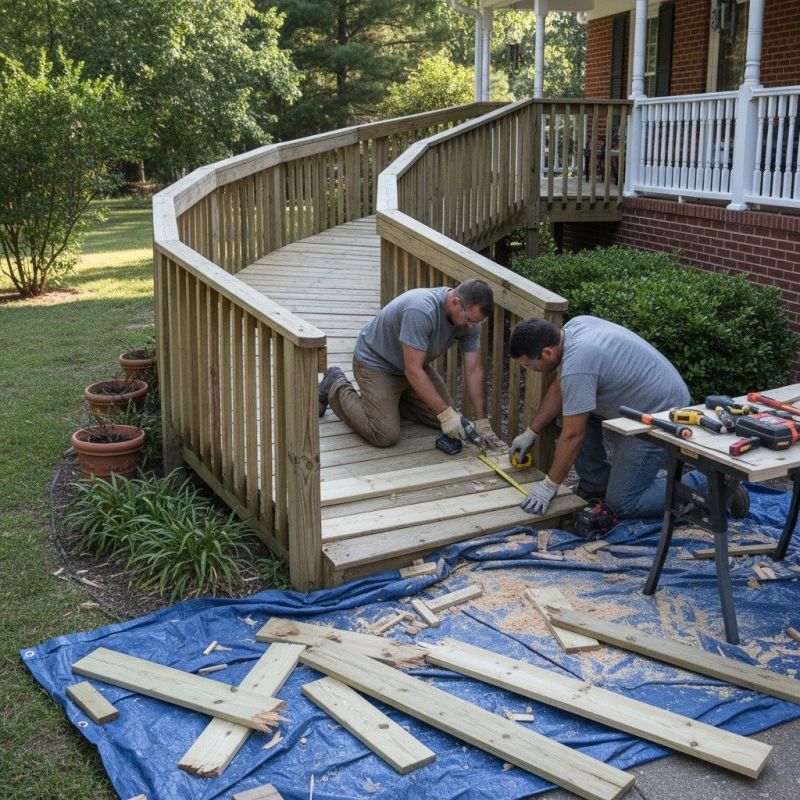
Disability ramp repair services involve fixing and restoring existing ramps to ensure they are safe, functional, and accessible for individuals with mobility challenges. These services typically address issues such as damaged or broken surfaces, loose handrails, unstable supports, or worn-out materials that can compromise the safety and usability of a ramp. Skilled contractors evaluate the condition of the ramp, identify structural weaknesses, and perform necessary repairs to extend its lifespan and improve overall stability. Proper maintenance and timely repairs are essential for ensuring that ramps meet accessibility needs and provide safe passage for users.
These repair services help solve common problems like cracks, warping, or deterioration caused by weather, age, or frequent use. Over time, ramps can develop uneven surfaces or loose fittings that pose tripping hazards or make navigation difficult. Repairing these issues restores the ramp’s integrity, making it safer for everyday use. In addition, repairs can prevent more costly replacements down the line by addressing minor damages early. Local service providers have the expertise to evaluate the specific needs of each ramp and recommend appropriate solutions to maintain accessibility standards.
Disability ramp repair services are often used in a variety of property types. Residential homes with aging or modified entrances frequently require repairs to ensure continued safe access. Commercial properties, such as retail stores, offices, and public facilities, also rely on these services to keep their accessible entrances compliant with regulations and safe for visitors. Additionally, multi-family housing complexes and community centers may need regular maintenance and repairs to support residents and visitors with mobility challenges. These services are designed to accommodate the specific requirements of each property type, ensuring accessibility remains consistent and reliable.
Homeowners and property managers should consider disability ramp repair services when noticing issues like loose handrails, surface cracks, or instability in the ramp structure. Such problems can hinder safe access and may violate accessibility guidelines. By contacting local contractors specializing in ramp repairs, property owners can ensure their ramps are properly maintained and safe for use. Whether addressing minor damages or performing more extensive repairs, these professionals help keep properties accessible and compliant with safety standards. This proactive approach supports individuals with mobility needs and promotes inclusive access across various property types.
The overview below groups typical Disability Ramp Repair projects into broad ranges so you can see how smaller, mid-sized, and larger jobs often compare in your area.
In many markets, a large share of routine jobs stays in the lower and middle ranges, while only a smaller percentage of projects moves into the highest bands when the work is more complex or site conditions are harder than average.
Smaller Repairs - typical costs for minor ramp repairs range from $250 to $600. Many routine fixes fall within this middle range, covering tasks like patching or minor adjustments. Larger or more complex repairs can exceed this range, but they are less common.
Moderate Improvements - mid-sized projects, such as replacing sections of the ramp or upgrading handrails, generally cost between $1,000 and $3,000. These projects are common for many local contractors handling standard repair needs.
Full Ramp Replacement - complete replacement of a disability ramp often ranges from $4,000 to $8,000, depending on size and materials. Larger, more intricate installations can surpass this range, though such projects are less frequent.
Complex or Custom Projects - highly customized or extensive ramp repairs can cost $10,000 or more. These projects are typically reserved for large-scale modifications or specialized accessibility features, which are less common but can significantly increase costs.
Actual totals will depend on details like access to the work area, the scope of the project, and the materials selected, so use these as general starting points rather than exact figures.
Wheelchair Accessible Entrance Installation - local contractors can design and build accessible entrances that include ramps, ensuring smooth access for individuals with mobility challenges.
Handrail and Support Bar Installation - service providers can install sturdy handrails and support bars alongside ramps to enhance safety and stability.
Concrete Ramp Construction - local pros are skilled in pouring and finishing concrete to create durable and level ramps suitable for wheelchair access.
Ramp Replacement and Renovation - contractors can replace or upgrade existing ramps that are damaged or no longer meet accessibility standards.
Threshold and Step Modification - service providers can modify or remove thresholds and steps to create seamless, wheelchair-friendly transitions.
Site Assessment and Planning - local experts can evaluate property layouts to develop effective plans for installing or repairing accessible ramps.
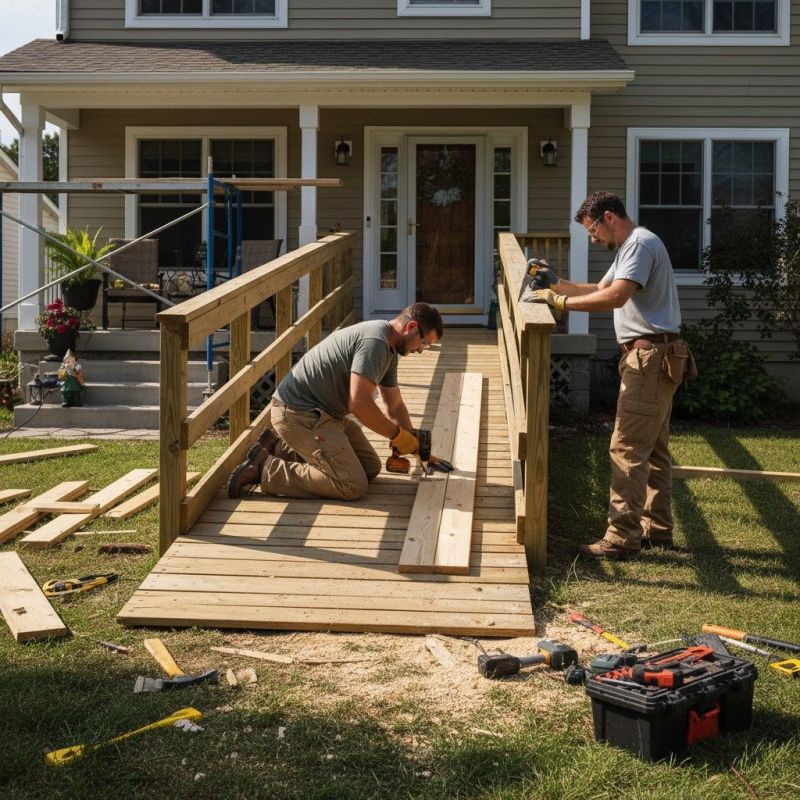
When comparing service providers for disability ramp repairs, it’s important to evaluate their experience with similar projects. Homeowners should look for contractors who have a proven track record of handling ramp repairs comparable in scope and complexity. This can help ensure that the chosen professional understands the specific requirements involved and can deliver results that meet safety and accessibility standards. Asking for examples of past work or references related to ramp repairs can provide insight into their familiarity with the type of project at hand.
Clear written expectations are essential when selecting a local contractor for disability ramp repair. Homeowners should seek providers who can offer detailed descriptions of the services they will perform, including materials used and the scope of work involved. Having a transparent understanding of what to expect helps prevent misunderstandings and ensures that both parties are aligned on project goals. Clear communication about the process also facilitates smoother coordination and a more satisfactory outcome.
Reputable references and good communication are key indicators of a reliable service provider. Homeowners are encouraged to request references from previous clients who had similar work done, as this can reveal insights into the contractor’s professionalism and quality of service. Additionally, service providers who are responsive, transparent, and willing to answer questions throughout the process tend to foster a more positive working relationship. It’s important to remember that these local options are introduced to connect homeowners with qualified professionals, not to perform the work directly.
Property owners use Disability Ramp Repair services for practical projects around their homes and businesses. This guide focuses on everyday jobs and straightforward project options.
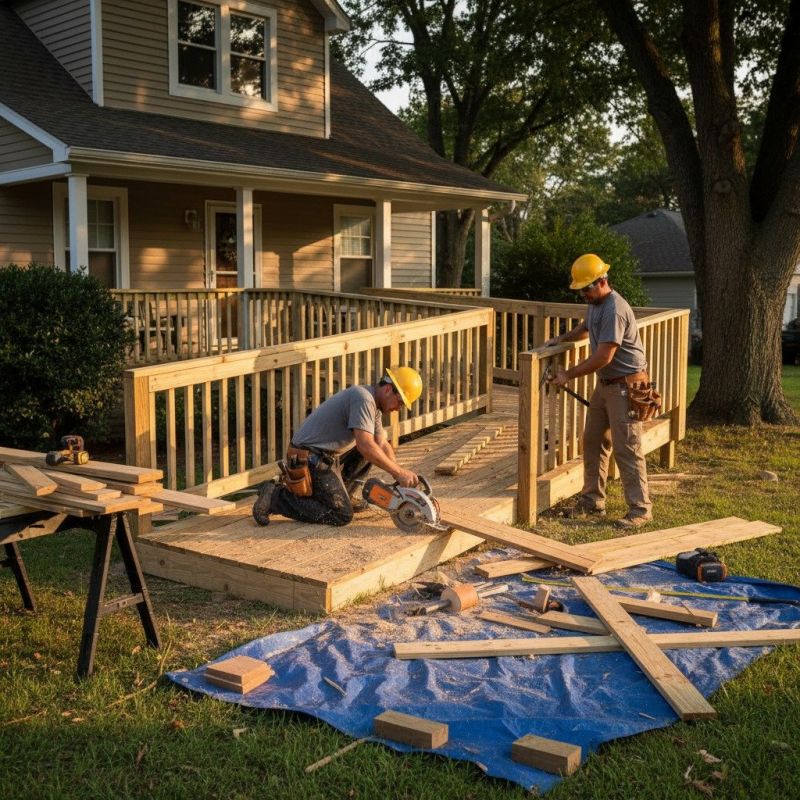
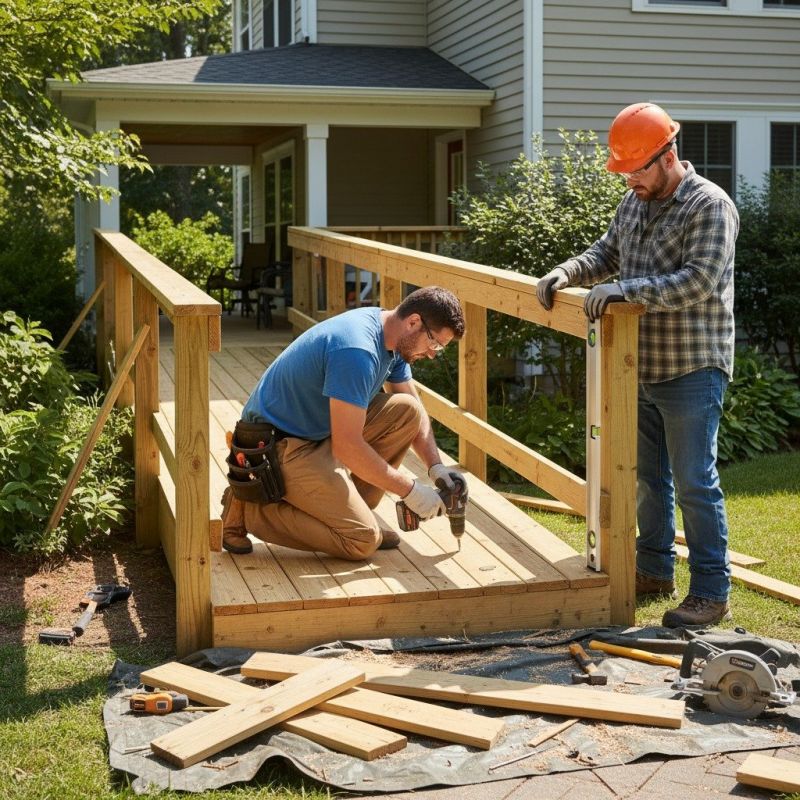
Disability ramp repair services are often needed when property owners notice issues with existing ramps, such as damage from weather, wear and tear, or structural deterioration. These repairs help ensure that accessibility features remain safe and functional for individuals with mobility challenges, especially in homes, apartment complexes, or commercial spaces. Local contractors specializing in ramp repairs can address common problems like loose handrails, uneven surfaces, or broken sections, providing a reliable solution to maintain safe access.
Many property owners seek ramp repair services after incidents like accidental damage or to meet updated safety standards. Whether a ramp has been compromised over time or needs modifications for better usability, experienced local service providers can handle a range of repair needs. Connecting with these professionals can help keep pathways clear and secure, supporting the needs of residents, visitors, or employees requiring accessible entry points.
What types of disability ramps do local contractors repair? Local service providers can repair a variety of disability ramps, including wheelchair-accessible ramps, threshold ramps, and modular ramp systems, ensuring they meet safety and accessibility standards.
How can I determine if my disability ramp needs repair? Signs that a ramp may need repair include loose or unstable sections, damaged surfaces, or any difficulty in safely using the ramp for mobility assistance.
What issues do local pros commonly fix on disability ramps? Common repairs include fixing loose handrails, replacing damaged decking, addressing uneven surfaces, and reinforcing structural components for stability.
Are there different repair options for temporary versus permanent disability ramps? Yes, service providers can repair both temporary, portable ramps and permanent, installed ramps, tailoring repairs to the type and usage of the ramp.
How do local contractors ensure the safety of repaired disability ramps? Contractors follow safety best practices during repairs, inspecting structural integrity and ensuring all components are secure and compliant with accessibility guidelines.
Accessibility Improvements - Enhance entryways to ensure wheelchair or walker access by installing or repairing ramps with the help of local contractors.
Property Renovations - Upgrade or replace existing ramps to improve safety and usability for residents or visitors with mobility challenges.
New Construction Projects - Incorporate custom ramps into new building designs to meet accessibility needs from the outset.
Commercial Property Accessibility - Ensure storefronts, offices, or public spaces are accessible by repairing or installing ramps with the assistance of local service providers.
If you are thinking about Disability Ramp Repair for a property, this guide is meant to help you understand the work, the typical project types, and how different options might fit your plans.
When you are ready, you can use the quote form on this page to share a few details about your project. From there, local pros can review the basics and respond with options that match what you have in mind.